

Evidence a rate case can stand on
You earn a return on what you build and you defend every dollar of what you spend. A network model that cannot be traced back to a source record is a liability in both directions — in the capital docket, and in the operating line beneath it.
Investor-Owned Utilities
An investor-owned utility answers to a commission, a board and a rate base at the same time. Those three audiences want different things from the same dataset, and the dataset has to satisfy all of them at once.
Capital earns. O&M does not.
Plant additions enter rate base and earn a return over their life. O&M is expensed in the year it lands, so an avoidable truck roll comes straight off earnings.
Prudence is judged after the fact
Spend is challenged years later by intervenors reading the record you kept, not the intent you had. Documentation is the defense, and it has to have been built at the time.
The commission sets the calendar
Test years, filing dates and settlement windows are fixed. Work that cannot be evidenced by the filing date effectively did not happen.
What an inaccurate model actually costs you
A mis-modeled asset is not a cosmetic problem for an IOU — it is a number in a filing. Feature counts roll into continuing property records, connectivity drives the outage duration and customer-count figures that appear in reliability reporting, and both are read by people whose job is to disagree with you. We measure model fit before anyone commits to a number, and every figure in the assessment traces back to a count you can reproduce in front of an intervenor.
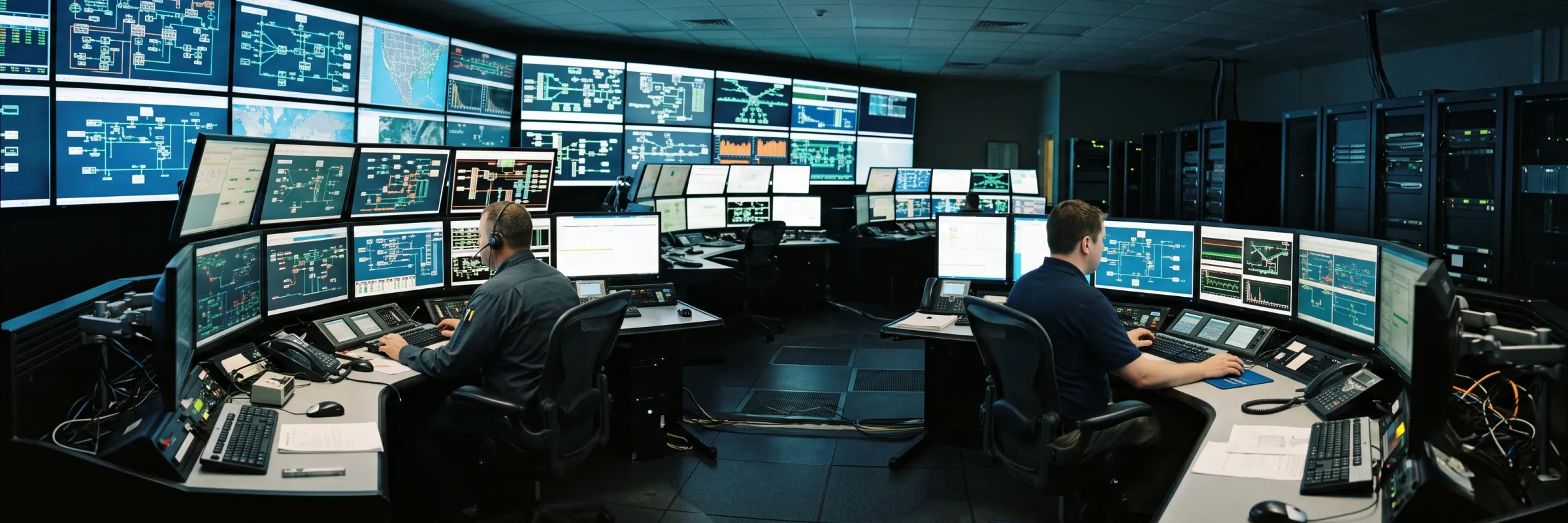
The migration is capital. The savings are operating.
The migration is a capital project and we scope it like one: a defined piece of work, a fixed set of deliverables, and a readiness assessment up front so the number you take to your board is measured rather than estimated.
What happens after go-live is operating spend, and that is where a degraded model quietly bills you — crews dispatched to the wrong structure, switching orders written against stale connectivity, engineering time lost to reconciling two versions of the truth.
Most migration vendors finish at go-live, which is the moment the model starts drifting. Ours is built to be maintained afterwards — continuous validation against the same checks the assessment ran, so the accuracy you paid for in capital is still there in year three.
The record has to survive being read by someone else
- State commission rate proceedings, where plant and continuing property records have to reconcile to what is actually in the ground
- Reliability reporting, where outage duration and customer counts are only as good as the connectivity model underneath them
- Internal audit and prudence review, where the question is never what you spent but what you can show
We do not file on your behalf and we do not sell compliance. What we do is make the underlying data defensible enough that the people who do file are not guessing.
Other ownership models
Evidence a rate case can stand on
Thirty minutes with an engineer who has read a network like yours. No data, no commitment.
Book a call →